Quick answer: Bologna is where bolognese, tortellini, lasagna, and mortadella actually come from. It’s 20 to 30% cheaper than Florence or Rome, and you can eat absurdly well for $60 to $80 a day. Give it 2 to 3 days. You won’t regret it.
Bologna was supposed to be one night. A sleep-and-leave stop between Florence and Venice, nothing more. A friend who’d been there kept telling me I needed to eat there, so I tacked on an extra day to keep her quiet. Then that one extra day turned into two, and by the time I left I was already figuring out when I could come back.
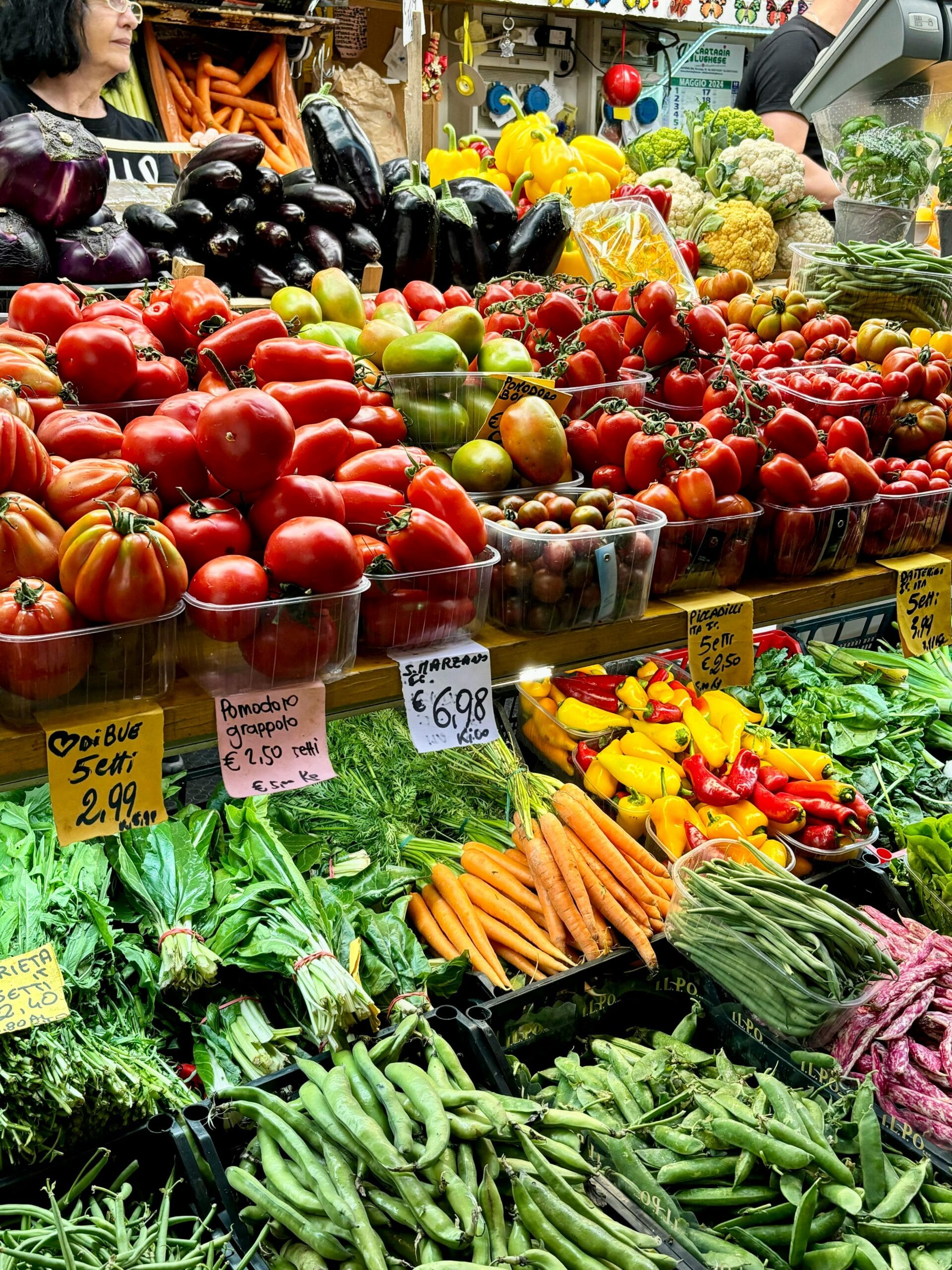
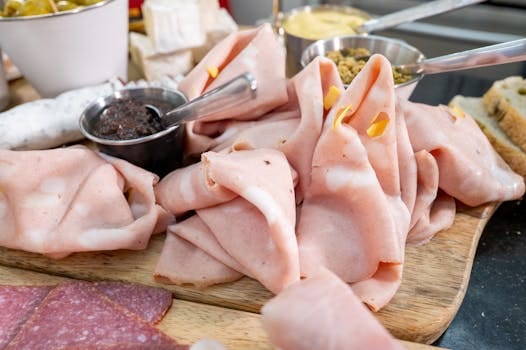
It started at the Quadrilatero market on my first afternoon. A woman sliced mortadella so thin I could practically see through it, tucked it into a soft rosetta roll, and handed it to me for €4. I ate it standing up next to a guy in a suit doing the exact same thing. That sandwich is the reason this post exists.
Here’s the thing about Bologna that none of the big Italy guides really tell you: it’s where the food is. Not “good food” in the way that everywhere in Italy has good food. I mean this is the city that invented bolognese, tortellini, lasagna, and mortadella. The restaurants here aren’t cooking for tourists. They’re cooking for Bolognese people who grew up eating their nonna’s ragu and will absolutely tell you if yours doesn’t measure up. And somehow, it costs 20 to 30% less than Florence.
Why Does Nobody Talk About Bologna?
Because everyone’s too busy fighting for a table in Florence. And look, Florence is incredible, I’m not telling you to skip it. But Bologna’s nickname is “La Grassa” (The Fat One), and that’s not shade. That’s a flex. The Bologna Chamber of Commerce has an official specification for how wide tagliatelle should be (8mm, if you’re curious). These people are serious.
The prices are lowkey kind of amazing. A plate of tagliatelle al ragu at a solid trattoria here runs €12 to €16. That same dish at a comparable spot in Florence is €18 to €24. Hotels follow the same pattern: a clean 3-star in Bologna’s center averages €70 to €100 a night versus €100 to €140 in Florence. The 85,000 university students keep everything competitive, which means you benefit from a food scene that has to stay good and stay affordable.
What Should You Actually Order in Bologna?
Okay but before anything else: do not, under any circumstances, order spaghetti bolognese. It does not exist here. You will get a look. Maybe a lecture.
Here’s what you order instead.
Tagliatelle al ragu. The OG. The one that “spaghetti bolognese” is a bad copy of. The ragu is slow-cooked beef and pork with wine and a splash of milk (no garlic, barely any tomato, which was news to me). It sits on fresh egg pasta that feels like silk. The first time I had the real version I just stared at my plate and thought about every jar of Ragu sauce I’d ever microwaved in college. Dark times. This costs €12 to €16 at most places.
Tortellini in brodo. Tiny folded pasta parcels in a warm, clear meat broth. The filling is pork and mortadella and Parmigiano, and the broth is the kind of thing that fixes whatever’s wrong with your day. I watched the pasta lady at one trattoria folding them and the hand motions were so similar to watching my grandma make jiaozi that it caught me off guard for a second. Different filling, different continent, same grandmother energy. Legend says the shape was inspired by Venus’s belly button. I don’t know about all that, but I do know I ordered seconds. Around €14 to €18.
A mortadella sandwich from the Quadrilatero. Not gonna lie, I used to think mortadella was just fancy bologna (the lunch meat, not the city). Turns out real mortadella is silky, fragrant, dotted with peppercorns and pistachios, and when it’s sliced thin enough and tucked into a soft rosetta roll, it’s one of the best sandwiches on earth. €4 to €6. Eat it standing up in the market. That’s the move.
Lasagna verde. Thinner than what you’re used to, made with green spinach pasta and bechamel instead of ricotta. Richer and more delicate than the American casserole version your coworker brings to potlucks. €12 to €16, and honestly some of the best versions come from lunch-only spots where local workers eat. Follow the construction guys.
Lambrusco. The local sparkling red wine that somehow nobody outside Emilia-Romagna knows about. It’s fizzy, slightly sweet, and goes with literally everything on this list. A glass at a bar is €4 to €6. Trust me on this one.
Where Do You Actually Go to Eat?
The Quadrilatero. This is the medieval market district right next to Piazza Maggiore and it’s where you should go first. Specialty food shops, fresh pasta counters, hanging prosciuttos catching the morning light. Sfoglia Rina is great for a sit-down plate of tagliatelle. Come before noon if you want to actually see the market in action and not just other tourists.
Osteria del Sole. This place has been open since 1465. Fourteen sixty-five. You buy wine at the bar (€3 to €5 a glass) and bring your own food from the market stalls outside. Sounds weird, works perfectly. Grab a mortadella sandwich and some cheese from the Quadrilatero, walk in, grab a table, and just… sit there like you’ve always done this. The vibe was unlike any bar I’ve been to.
The university quarter (around Via Zamboni). Where the students eat, which means the food is good and cheap. Full pasta dishes for €10 to €14. Trattoria Da Me does solid traditional stuff without the tourist markup.
Anywhere during aperitivo. Okay but hear me out: Bologna’s aperitivo scene might be better than Milan’s. You buy a drink for €8 to €12 and get access to a buffet that’s basically dinner. Pasta, bruschetta, olives, cured meats. I did this three nights in a row and saved my actual dinner budget for more tagliatelle at lunch the next day. Strategic eating.
How Much Does a Day in Bologna Actually Cost?
Here’s what I spent, roughly, on a comfortable but not extravagant day:
| What | How much |
|---|---|
| Hotel (3-star, central, booked 6 weeks out) | $85/night |
| Breakfast standing at the bar (cappuccino + cornetto) | $3.50 |
| Lunch (pasta at a real trattoria, not a tourist trap) | $14 |
| Afternoon gelato (non-negotiable) | $4 |
| Aperitivo that doubled as dinner | $10 |
| Walking around all day because porticoes make everything walkable | $0 |
| Total | About $116 |
On a tighter budget, swap the hotel for a hostel (dorm beds around $48 to $55 at Dopa Hostel, which is actually nice), eat your big meal at lunch, do aperitivo for dinner, and you’re looking at $60 to $80 a day. In Italy. Eating incredibly well. Compare that to Venice where a mediocre plate of pasta near San Marco costs €22 and the vaporetto alone eats $10 of your daily budget.
Pro tip: first Sunday of every month, state museums are free. Time your visit around this and you’ll save another €10 to €15.
When Should You Go?
April through June and September through October are the sweet spot. Warm enough to eat outside, cool enough to walk everywhere without melting.
One thing to watch: Bologna hosts massive trade fairs (Cosmoprof, the children’s book fair, motor shows) and when they’re on, hotel prices spike 150 to 300%. Check the BolognaFiere calendar before you book anything. I cannot stress this enough. Getting caught during a trade fair is how a €80 hotel becomes a €240 hotel overnight.
Summer (July and August) is hot and half the city leaves on vacation. Some smaller restaurants close. But honestly, if you’re already in Italy and passing through, it’s still worth a stop, just bring a water bottle and stick to the porticoes for shade.
What Do You Do When You’re Not Eating?
Walk up to San Luca. There’s a 3.8-kilometer covered portico walkway (666 arches, the longest in the world) that climbs from the city up to a hilltop church. Takes about an hour. It’s free, it’s beautiful, and the view from the top is the kind of thing you take a photo of and then just… put your phone away and look at it for real. I went in the late afternoon and the light coming through the arches was ridiculous.
Find the secret canal at Via Piella. There’s a tiny window in a wall (Finestrella di Via Piella) that opens onto a hidden canal. Bologna used to have a whole canal system like Venice, but they covered most of it. Takes 30 seconds to see. But it’s one of those small discoveries that makes a city feel like it’s got layers.
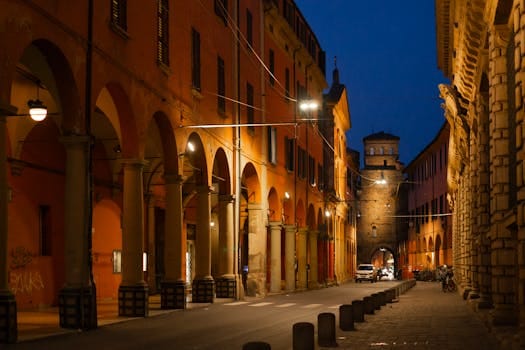
The porticoes. 62 kilometers of covered walkways, UNESCO-listed since 2021. They’re practical (shade when it’s hot, shelter when it rains) and genuinely beautiful. Via Santo Stefano and Via Galliera are my favorites.
Note about the towers: as of early 2026, the Torre degli Asinelli (the famous leaning one you climb) is closed because they’re stabilizing the adjacent Garisenda tower. It won’t reopen until around 2028. For views right now, book the Torre dell’Orologio for €8. [VERIFY reopening timeline]
How Does Bologna Fit Into a Bigger Italy Trip?
Perfectly, actually. Bologna Centrale is one of Italy’s best-connected stations. Florence is 35 minutes by high-speed train (€10 to €20 if you book trains early). Venice is 1.5 hours (€15 to €25). Rome is about 2 hours (€20 to €35).
The move is to do 2 to 3 days in Florence for the art, take the 35-minute train to Bologna, eat for 2 days straight, and then head to Venice. You could also do a day trip to Modena (25 minutes, home of balsamic vinegar) or Parma (50 minutes, Parmigiano Reggiano and prosciutto). You’re sitting in the middle of what Italians call “Food Valley” and everything is connected by cheap, fast trains. If you’re trying to find good flights into Italy, Bologna’s airport (BLQ) has budget carriers too.
Frequently Asked Questions About Bologna
How many days do you need in Bologna?
Two full days is the minimum to eat the highlights and see the main sights. Three days lets you add a cooking class (€50 to €80, you learn to fold tortellini from a local sfoglina, and you eat everything you make) or a day trip to Modena or Parma. If you’re fitting Bologna into a Florence-to-Venice route, two nights works since the trains to both cities are under €20 and take less than two hours.
Is Bologna worth it, or should I just spend more time in Florence?
They’re totally different trips. Florence is art and architecture. Bologna is food and atmosphere. If eating is a priority for your Italy trip (and why wouldn’t it be), Bologna gives you better meals at lower prices with fewer crowds. Honestly, the best play is to do both. They’re 35 minutes apart by train.
What should you NOT order in Bologna?
Spaghetti bolognese (doesn’t exist here, you’ll embarrass yourself), any cream-based pasta sauce (not traditional in this region), and anything from a restaurant with laminated menus and photos of food outside. Also, skip cappuccino after 11 a.m. Nobody will refuse to make it, but you’ll get a look.
Is Bologna safe?
Very. It’s a university city with a chill, left-leaning atmosphere and low crime. Standard precautions apply (watch your stuff in crowded areas), but I walked around alone at night and felt totally fine. Solo female travelers consistently say the same.
Can you do Bologna as a day trip from Florence?
You can, but you’d be rushing and you’d miss aperitivo, which is half the point. If one day is all you’ve got, take the early train, hit the Quadrilatero by 10 a.m., eat a long lunch, walk the porticoes, do aperitivo at 6, and take the late train back. But staying a night or two is better. The city hits different after dark when the students are out and the piazzas fill up.
How do you get to Bologna?
Trains are the easiest way from anywhere in Italy. From Florence: 35 min, €10 to €20. Venice: 1.5 hours, €15 to €25. Rome: 2 hours, €20 to €35. Milan: under an hour, €15 to €25. Book through Trenitalia or Italo at least a month out for the best fares. Bologna also has its own airport (BLQ) with budget carriers, and the Marconi Express monorail to the city center takes 7 minutes.
One Last Thing
I’ve traveled to places that try really hard to impress you. Bologna isn’t one of them. Nobody’s performing here. The trattorias aren’t decorating for Instagram. The pasta ladies aren’t doing it for content. This is a city that’s been feeding people the same way for a very long time because the food doesn’t need to be reinvented.
If you travel to eat (and if you’ve read this far, you do), just go. You’ll come back annoyed at every plate of “bolognese” you’ve ever been served anywhere else, and honestly, that’s a good problem to have.