Quick answer: Most travelers need 3 to 4 days in Osaka to hit the highlights and eat their way through the city without rushing. If you’re combining Osaka with Kyoto and Tokyo, 2 to 3 days works but it’s tight. Food lovers and slow travelers should plan for 4 to 5 days, because honestly, this city will make you want to stay.
I almost didn’t go to Osaka. My entire Japan trip was planned around Tokyo and Kyoto, and squeezing in another city felt like too much. But a friend who grew up there told me I was making a huge mistake, and honestly? She was right. Osaka ended up being my favorite part of the entire trip, and I spent about 30 to 40% less there than I did in Tokyo. The food alone was worth rearranging my whole itinerary.
This guide breaks down exactly how many days in Osaka you actually need based on how you travel, what you want to eat (the real answer: everything), and how Osaka fits into a bigger Japan trip. No fluff, just the honest version.
Is One Day in Osaka Worth It?
Yes, but just barely. If Osaka is a quick stop between Tokyo and Kyoto, one full day gets you a real sense of the city. You won’t see everything, but you’ll leave understanding why people lose their minds over this place.
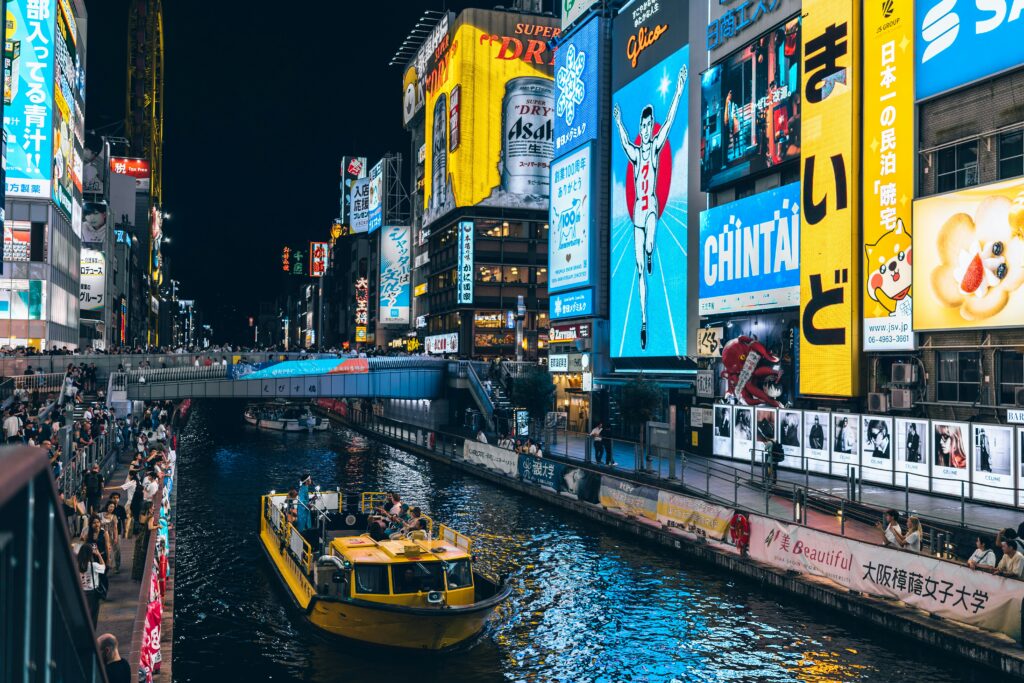
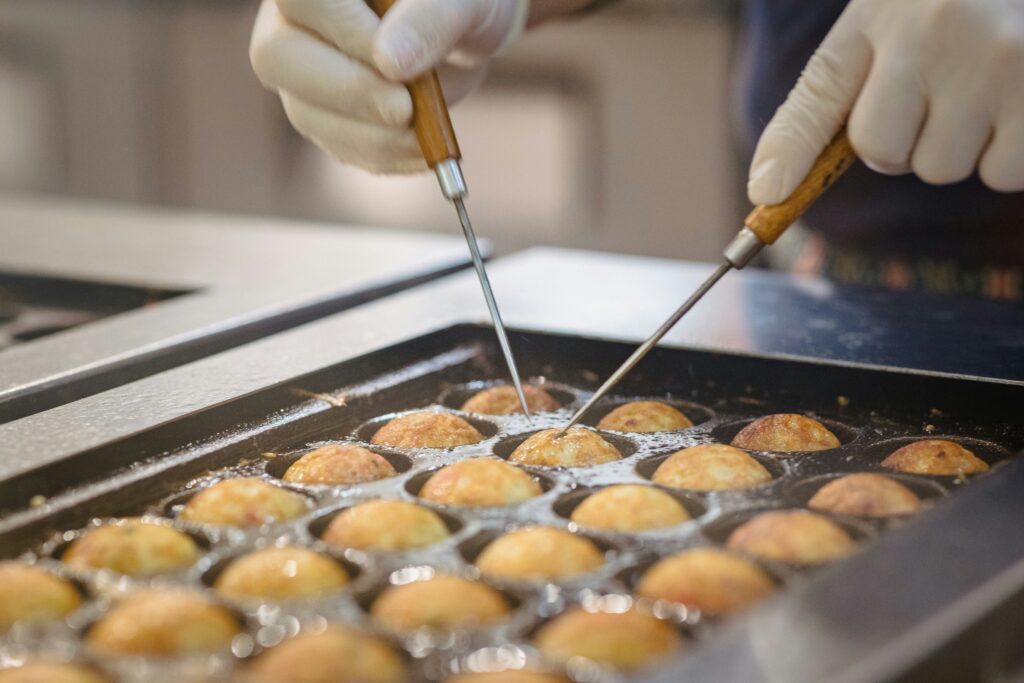
Here’s what I’d do with a single day: start at Osaka Castle in the morning before the crowds arrive (admission is ¥1,200 for adults, about $8, and the park around it is free). Spend the afternoon eating your way through Dotonbori, which is exactly as loud and overwhelming and fun as everyone says. Grab takoyaki from a street stall (around ¥500 to ¥800 for six pieces, so roughly $3 to $5), try okonomiyaki at a counter seat where someone makes it right in front of you, and just absorb the energy. Then stay out for dinner in Namba or Shinsaibashi.
One day works if your expectations are realistic. You’re getting the highlight reel, not the full story. But even the highlight reel in Osaka is better than most cities’ main event.
How Should You Spend 2 to 3 Days in Osaka?
Two to three days is the sweet spot for most first-time visitors to Japan. It gives you enough time to move at a human pace, eat properly (which in Osaka means eating a lot), and actually feel the city instead of just running between photo spots.
Day 1: The classics
Start with Osaka Castle in the morning. The park around it is gorgeous, especially during cherry blossom season (late March through mid-April). Then head to Kuromon Ichiba Market for lunch. It’s a 600-meter covered street of stalls selling everything from fresh sashimi to wagyu skewers to the most perfect strawberries you’ve ever seen. Not gonna lie, I spent more than I planned here. By evening, make your way to Dotonbori. Walk the canal, eat recklessly, stay out later than you intended. That’s the Osaka way.
Day 2: Go deeper
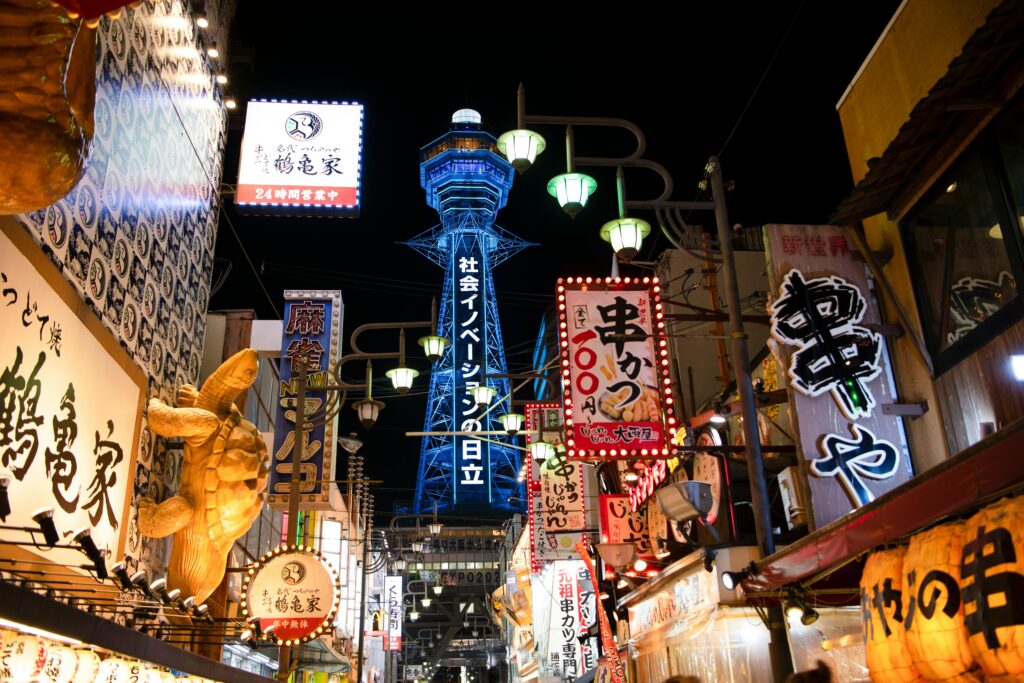
Shinsekai is the neighborhood that surprised me most. It’s a pre-war district with a completely different energy from the rest of Osaka. Retro architecture, kushikatsu bars everywhere (deep-fried skewers, and yes, you should try several), and Tsutenkaku Tower looking down over it all. The vibe was like stepping into a different era. After that, check out Namba Yasaka Shrine, which has a 12-meter lion head that’s one of the most photogenic things in the city. For sunset, the Umeda Sky Building’s Floating Garden Observatory (¥1,500 admission, about $10) gives you an open-air panoramic view that’s genuinely worth it.
Day 3 (optional but recommended): A day trip
Osaka is the perfect base for day trips. Kyoto is about 40 minutes away by local train (around ¥400 to ¥570 one way depending on the line). Nara, where deer literally walk up to you next to ancient temples, is 45 minutes. Kobe is 30 minutes. Any of these adds a completely different dimension to your trip without the hassle of switching hotels. If you’re planning several day trips, look into whether a JR Pass makes sense for your route.
What Do 4 to 5 Days in Osaka Look Like?
If you love food, nightlife, or just wandering without a rigid plan, Osaka rewards extra time in a way that a lot of cities don’t. This is a place with real depth, and it takes a few days for the less obvious stuff to reveal itself.
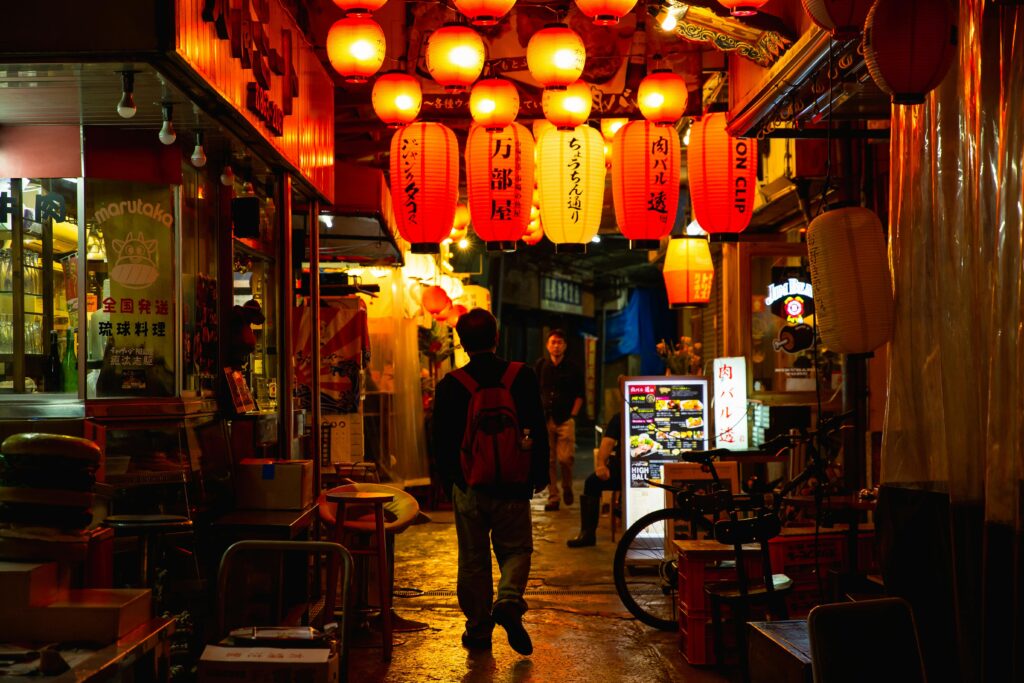
The extra time lets you explore neighborhoods beyond the tourist trail. Hozenji Yokocho is a narrow lantern-lit alley with traditional restaurants that feels like a movie set (except the food is better than any movie). Fukushima is where locals actually eat, and you’ll find incredible izakayas with no English menus and no crowds. Tenjinbashisuji is Japan’s longest shopping street at about 2.5 kilometers, and it’s the kind of place where you can wander for hours without spending more than a few hundred yen.
Hear me out on Universal Studios Japan if you have a full extra day. Super Nintendo World alone justifies the trip, even if you’re not a theme park person. Tickets run about ¥8,900 to ¥14,200 depending on the date (roughly $60 to $95), so it’s a splurge, but the level of detail is unreal.
Four to five days also means you can eat at a slower pace, which matters here more than anywhere else in Japan. Osaka’s motto is literally “kuidaore,” which translates to “eat until you drop.” With more time, you can hit the conveyor belt sushi spots where plates start at about ¥114 (less than a dollar), try a different okonomiyaki restaurant every night, and still have room for a proper ramen crawl through Shinsaibashi.
How Does Osaka Fit into a Bigger Japan Trip?
Most first-time Japan visitors do some version of the Tokyo/Kyoto/Osaka triangle. Here’s how I’d break it down depending on your total trip length:
| Trip Length | Suggested Split | Notes |
|---|---|---|
| 7 to 8 days | 2 days Osaka, 2 days Kyoto, 3 to 4 days Tokyo | Tight but doable. Prioritize food in Osaka, temples in Kyoto. |
| 10 days | 2 to 3 days Osaka, 3 days Kyoto, 4 to 5 days Tokyo | The most common first-timer itinerary. Comfortable pace. |
| 2 weeks | 3 to 4 days Osaka (with day trips to Nara/Kobe), 4 days Kyoto, 5 to 6 days Tokyo | Now you can breathe. Add Himeji Castle as a day trip from Osaka. |
| Osaka-focused trip | 5 to 7 days | Rare but honestly kind of great. Do the city properly, eat everything, day trip to Kyoto, Nara, Kobe, and Himeji. |
Pro tip: if you’re doing the classic route, fly into one city and out of the other. A one-way ticket on the Shinkansen from Tokyo to Osaka takes about 2 hours and 30 minutes and costs around ¥13,870 (roughly $93). Finding cheap flights with open-jaw routing (fly into Tokyo, out of Osaka, or vice versa) can save you both time and money on backtracking.
When Is the Best Time to Visit Osaka?
Late March through mid-May and September through November are the sweet spots. Cherry blossom season (late March to mid-April) is stunning but crowded. Autumn foliage (late November) is equally beautiful with slightly fewer tourists.
July and August are hot, humid, and packed. I went in early October and the weather was perfect, warm enough for short sleeves during the day but cool at night. January and February are cold but offer the best hotel deals, with rates dropping 20 to 30% compared to peak season.
One more thing: Expo 2025 ran from April through October 2025, so that crowd surge is over. Hotel prices in Osaka have come back down to normal levels for 2026, which is good news for your wallet.
How Much Does Osaka Actually Cost Per Day?
Real talk, this is where Osaka really shines. It’s noticeably cheaper than Tokyo across the board, by roughly 15 to 30% depending on what you’re spending on.
Budget traveler (hostels, street food, free attractions): ¥8,000 to ¥12,000 per day, about $55 to $80. Hostel dorms run ¥3,000 to ¥5,000 per night. Street food meals cost ¥500 to ¥1,000 each. You can eat three solid meals for under $15 if you stick to local spots.
Mid-range (business hotels, sit-down restaurants, some paid attractions): ¥15,000 to ¥25,000 per day, about $100 to $170. Mid-range hotels in Namba or Shinsaibashi average ¥10,000 to ¥18,000 per night. A nice dinner at a sit-down restaurant runs ¥2,000 to ¥4,000.
Comfortable splurge (nicer hotels, good dinners, taxis when tired): ¥30,000+ per day, about $200+.
A few things that’ll save your money: grab breakfast at a convenience store like Lawson or 7-Eleven (the onigiri and sandwiches are genuinely good, around ¥150 to ¥400). Walk between Namba and Shinsaibashi through the covered shopping arcades instead of taking the metro for one stop (saves ¥190 each time). And get an ICOCA card (¥500 refundable deposit) from any JR station vending machine to tap in and out of trains without buying individual tickets.
Prices reflect early 2026 rates. These will shift, so double-check before you book.
Where Should You Stay in Osaka?
Namba puts you right in the middle of everything. Dotonbori, Shinsaibashi, and Kuromon Market are all within walking distance. This is where I’d stay on a first visit.
Shinsaibashi is one stop north, slightly more upscale, and still close to the action. Great for shopping.
Umeda/Osaka Station area is better if you’re planning lots of day trips, since JR lines converge here. The neighborhood feels more business-oriented but has good restaurants and the Umeda Sky Building.
Tennoji/Shin-Imamiya is the budget option. Hotels here run 20 to 30% cheaper than Namba, and it’s close to Shinsekai. The area is a bit rougher around the edges, but it’s safe and well-connected by metro.
The Osaka Metro has nine lines with frequent service and signs in English and Japanese. You don’t need to stay right on top of Dotonbori to have a great trip. Just make sure you’re near a metro station and you’re fine.
What Should You Skip in Osaka?
I’m going to be honest here because that’s the whole point of this blog.
Osaka Castle’s interior is fine but not essential. The castle looks incredible from outside, and the park is beautiful. But the inside is a concrete reconstruction with a museum that’s mid compared to the exterior. If you’re short on time, walk the grounds, take your photos, and skip the ¥1,200 entry fee.
Kuromon Market at peak tourist hours can feel like a conveyor belt of people rather than an actual market. Go early in the morning (before 10 a.m.) or skip it for a late lunch when things thin out.
Overpriced tourist restaurants on Dotonbori’s main strip. The street stalls are where the real food is. If a restaurant has a huge line of tourists but no locals, that’s your sign to keep walking. The side streets one or two blocks off the main canal have better food at better prices.
How Do You Get Around Osaka?
The Osaka Metro is excellent and covers basically everything you’d want to see. A single ride costs ¥190 to ¥390 depending on distance. If you’re taking three or more rides in a day, grab an Enjoy Eco Card (¥820 on weekdays, ¥620 on weekends) which gives you unlimited rides plus discounts at some attractions.
For day trips, JR trains cover the routes to Kyoto, Nara, Kobe, and Himeji. If you’re only doing one or two day trips, individual tickets are probably cheaper than a JR Pass. The math changes if you’re doing the full Tokyo/Kyoto/Osaka circuit by Shinkansen.
Taxis are clean and reliable but expensive. A 20% late-night surcharge kicks in between 10 p.m. and 5 a.m. The metro runs until around midnight, so plan accordingly if you’re out late.
Growing up, my family always figured out the local transit system before anything else. My dad used to say if you can read a subway map, you can go anywhere. Osaka’s is one of the easiest I’ve used anywhere in Asia.
Osaka Travel Tips: The Practical Stuff
Language: Most signs in tourist areas are in English and Japanese. Restaurant menus often have photos. My Mandarin was completely useless here (obviously), but basic English and pointing got me everywhere I needed to go. Google Translate’s camera feature is a lifesaver for menus without pictures.
Cash vs. cards: Japan is still more cash-dependent than you’d expect. Convenience store ATMs (7-Eleven is the most reliable for foreign cards) are everywhere. Carry at least ¥5,000 to ¥10,000 in cash for street food stalls and smaller restaurants.
Data/WiFi: Get a Japanese eSIM before you arrive. I used one that cost about $10 to $15 for a week of data and it worked everywhere. You’ll need data for Google Maps, translation apps, and looking up train schedules.
Tipping: Don’t tip. Anywhere. It can actually be considered rude. This is one of the best things about traveling in Japan.
Safety: Osaka is extremely safe, including for solo female travelers. I walked around Namba and Shinsekai alone at night and never felt uncomfortable. Japan consistently ranks among the safest countries in the world for tourists. Use the same common sense you’d use in any big city.
Scam awareness: Watch out for aggressive touts on Dotonbori promising all-you-can-drink deals that come with hidden service fees. And politely decline if someone in robes near Shinsaibashi offers you a charm for a “donation.” They’re not affiliated with any local temple.
Frequently Asked Questions About Osaka
Is 2 days enough for Osaka?
Two full days covers the main highlights comfortably and leaves room for one focused experience, whether that’s a day trip to Nara, a long dinner in Fukushima, or an afternoon wandering Shinsekai. You won’t feel like you rushed through the city, but you also won’t have time to go deep into the neighborhoods beyond the tourist areas. For most travelers on a multi-city Japan trip, two days is solid.
Should I spend more time in Osaka or Kyoto?
They’re honestly very different trips. Kyoto is temples, gardens, and quiet walks through traditional neighborhoods. Osaka is food, nightlife, and a louder, more working-class energy. For first-timers, splitting time roughly evenly works well since you get both sides of the Kansai region. If you’re a food person above all else, give Osaka the extra day.
How much should I budget per day in Osaka?
Budget travelers can do Osaka well on about $55 to $80 per day, covering a hostel, street food meals, and public transit. Mid-range comfortable is $100 to $170 per day with a business hotel, sit-down restaurants, and paid attractions. These numbers don’t include flights or intercity train tickets. Street food is where Osaka really saves you money compared to Tokyo.
Can I do Osaka as a day trip from Kyoto?
Technically yes. The local train takes about 40 minutes and costs around ¥400 to ¥570 one way. But trust me on this one, Osaka deserves at least one overnight stay. The city’s evening energy, especially in Dotonbori, is genuinely one of the best nighttime experiences in Asia and you’d miss all of it on a day trip.
Is Osaka safe for solo female travelers?
Very. Japan consistently ranks among the safest countries for tourists, and Osaka is particularly welcoming to foreign visitors. The metro system is clean and efficient, well-lit streets are the norm even late at night, and you can use services like Grab or local taxi apps for late rides. Standard big-city awareness applies, but honestly I felt safer walking around Osaka at midnight than I do in most neighborhoods in New York.
What food should I definitely try in Osaka?
Start with the big three: takoyaki (octopus balls, about ¥500 to ¥800 for six), okonomiyaki (savory pancakes, around ¥800 to ¥1,200 at a counter spot), and kushikatsu (deep-fried skewers in Shinsekai, maybe ¥1,000 to ¥2,000 for a full sitting). Beyond those, try conveyor belt sushi where plates start under ¥200, and don’t skip the convenience store onigiri. Seriously, a ¥150 rice ball from Lawson has no business being that good.
Do I need a JR Pass for Osaka?
If you’re only staying in Osaka with one or two short day trips, probably not. Individual tickets to Kyoto (about ¥400 to ¥570) and Nara (about ¥570 to ¥800) are cheap enough that a full JR Pass doesn’t pay for itself. The JR Pass makes more sense if you’re doing the full Shinkansen circuit between Tokyo, Kyoto, Osaka, and maybe Hiroshima. The 7-day pass costs around ¥50,000 (about $335), so do the math based on your specific route.
What’s the best neighborhood to eat in?
Dotonbori gets all the attention but the side streets around it (especially Hozenji Yokocho and the alleys behind Namba) are where the real food is. For a more local experience, head to Fukushima for izakayas and small restaurants where you might be the only tourist. Shinsekai is the place for kushikatsu. And Kuromon Market is worth it for a late morning seafood grazing session if you go before the midday crowds.
The Bottom Line
Two to three days is the right answer for most people visiting Osaka as part of a bigger Japan trip. It’s enough time to eat well, see the city’s character, and squeeze in one day trip. If you’re a food person or a slow traveler, add a day or two. And if you’re truly pressed for time, one day is better than skipping Osaka entirely.
This city has a blue-collar, unpretentious energy that I wasn’t expecting. It’s not trying to impress you the way Tokyo does. The food is cheaper, the people are friendlier (Osaka has a reputation in Japan for being the most welcoming city to outsiders), and there’s a warmth to the place that made me feel like I could actually live there. Coming from someone whose mom’s cooking set the bar impossibly high for food experiences abroad, that’s saying something.
If you’re still in the planning stage for Japan, check out our flight hacking guide to save on getting there, and keep an eye on japan.travel for the latest entry requirements and travel updates.
Now go eat everything.